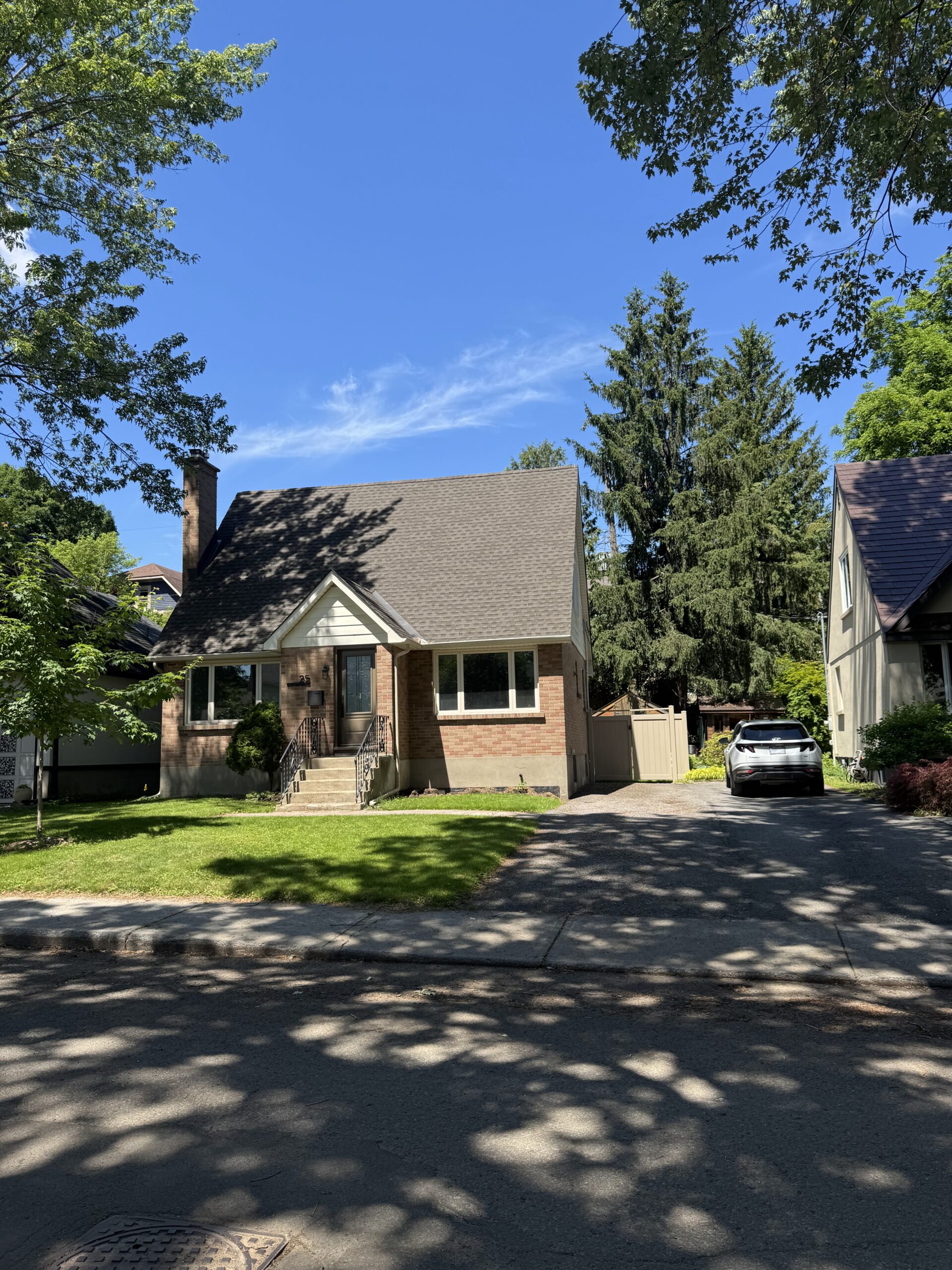
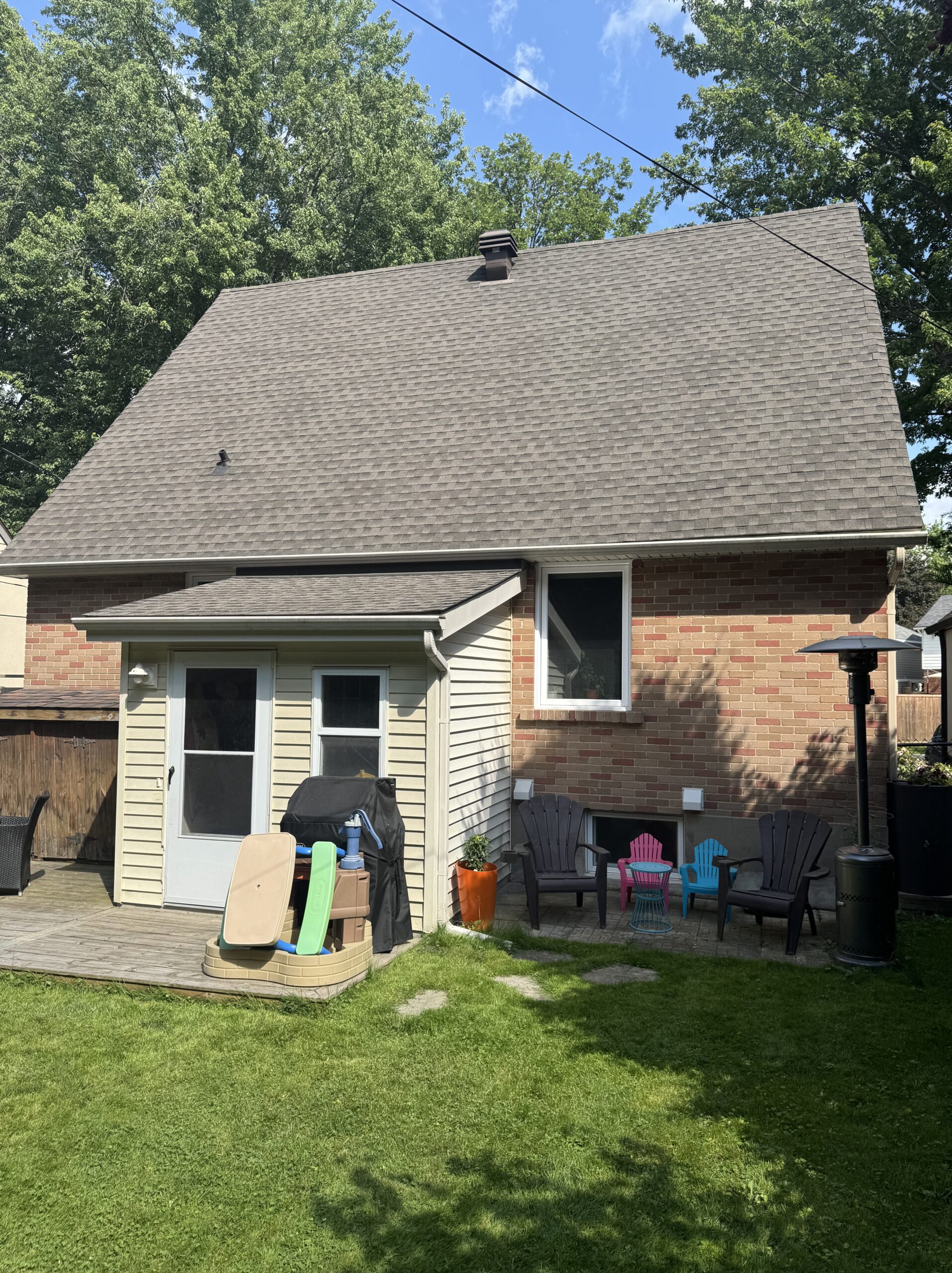
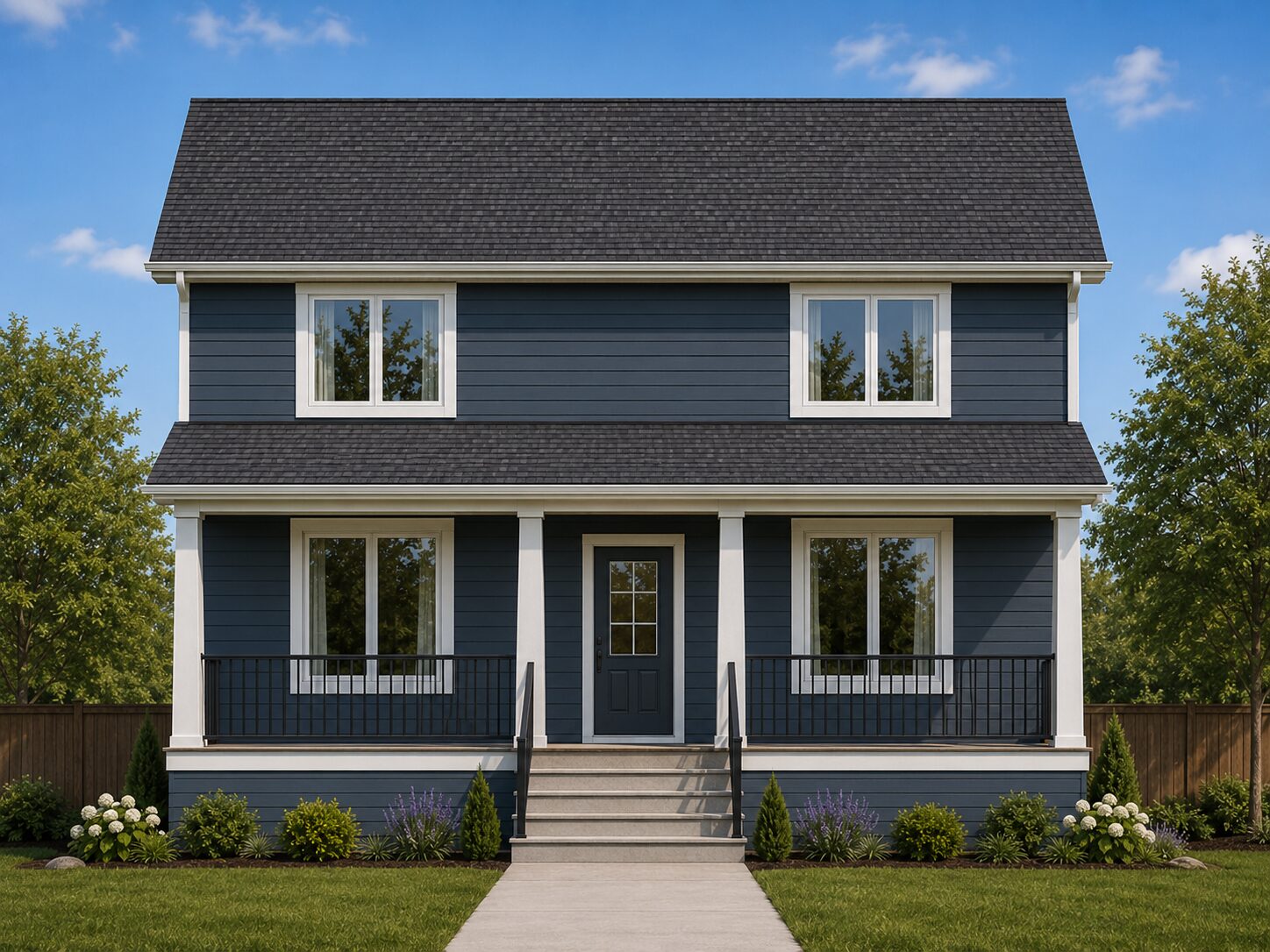
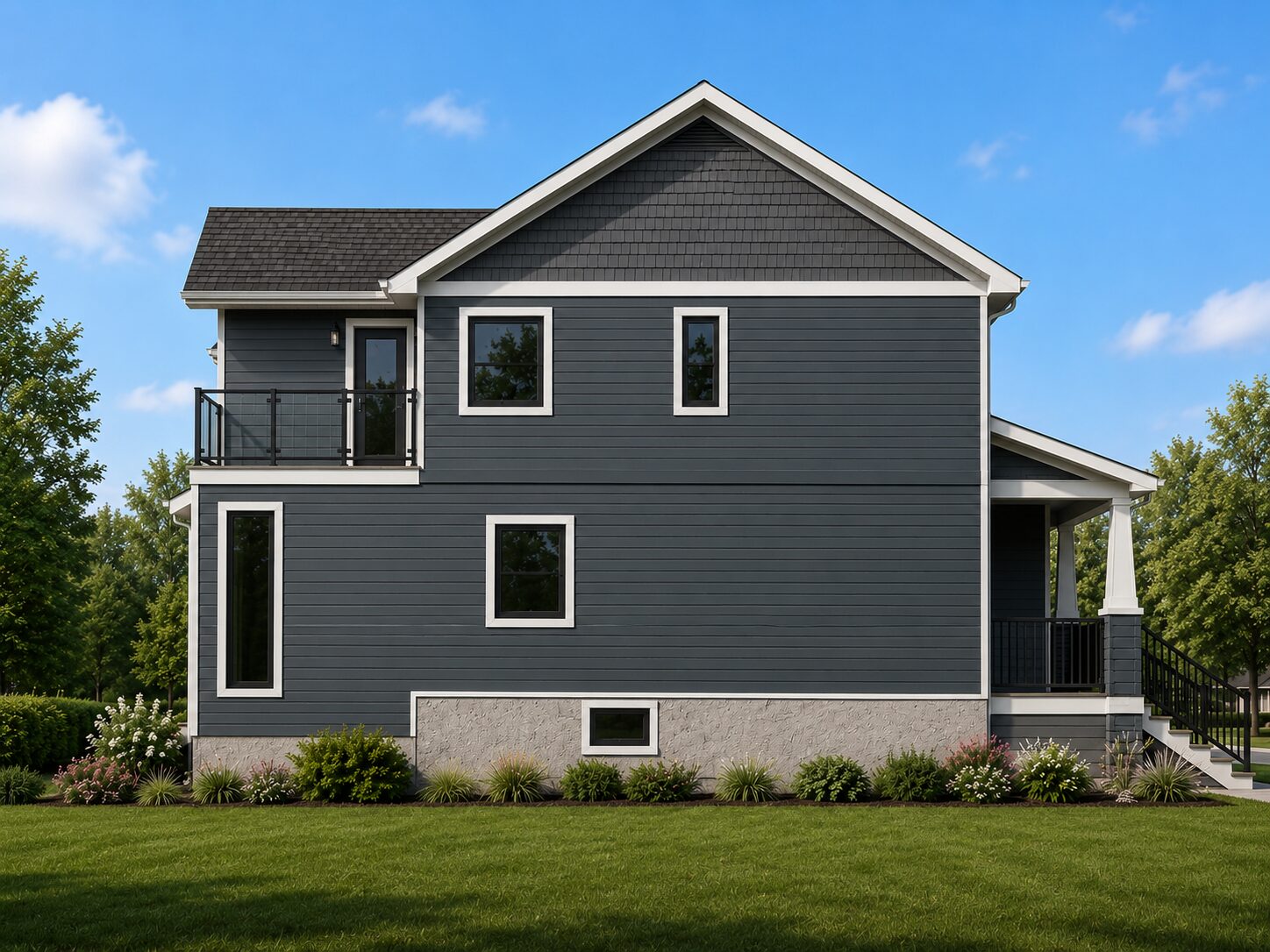
Rideau Gardens Net Zero Ready Home & Addition
We just enrolled our latest renovation in the CHBA Net Zero Home Labelling Program — one of the more rigorous energy-performance standards a home in Canada can carry. First blower-door test: 7.23 ACH (air changes per hour — lower means tighter). Our target: under 1.0.
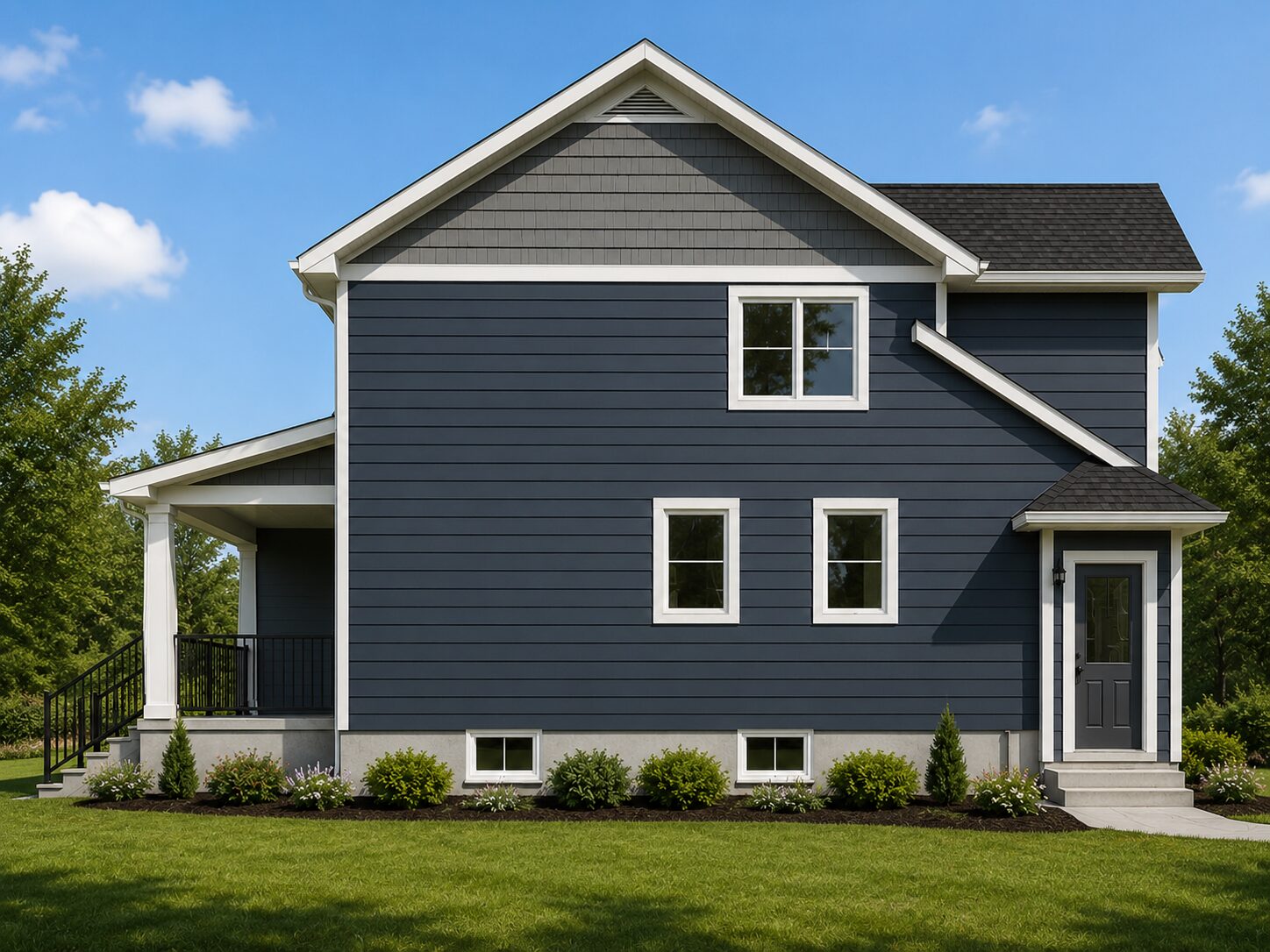
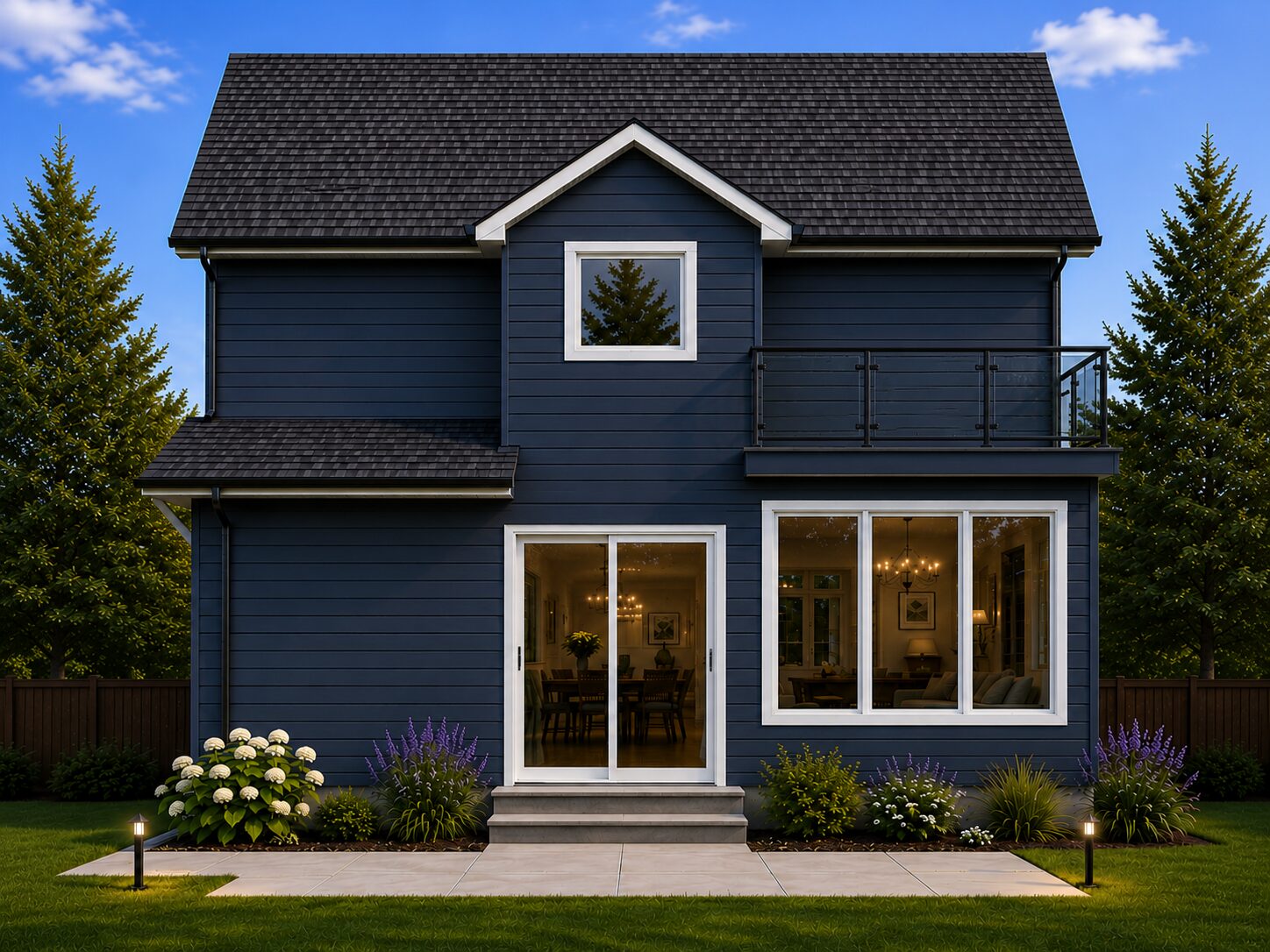
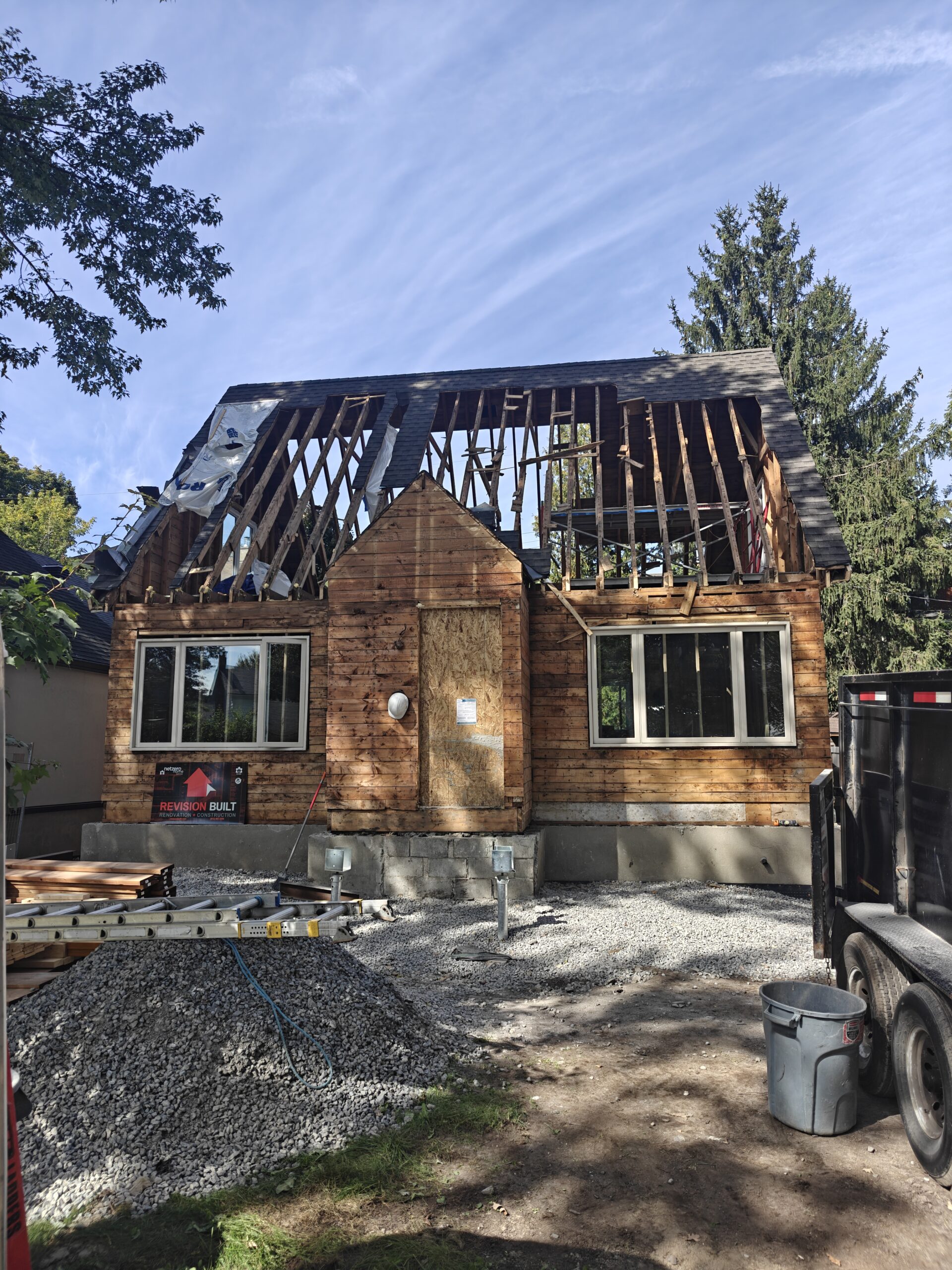
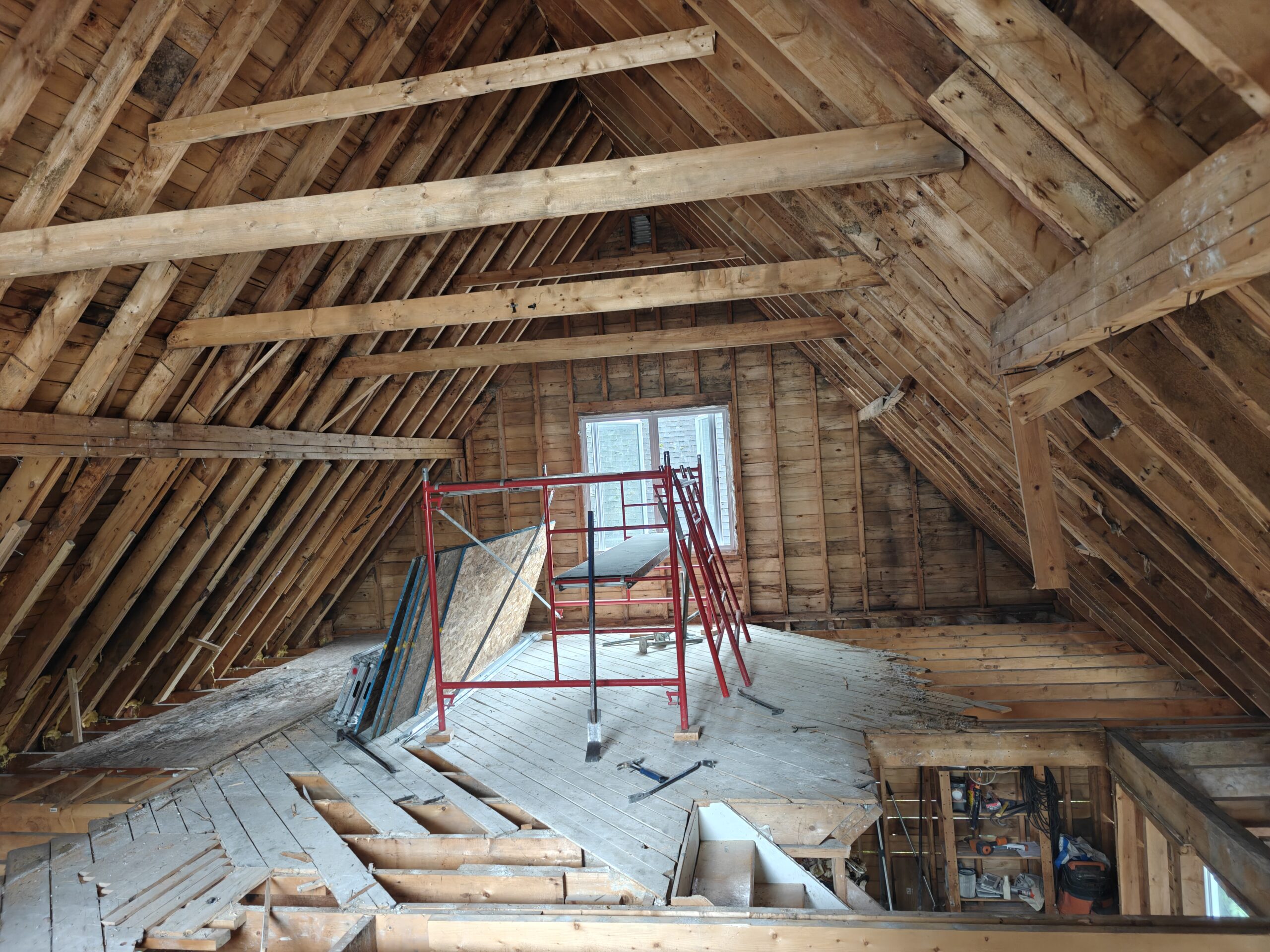
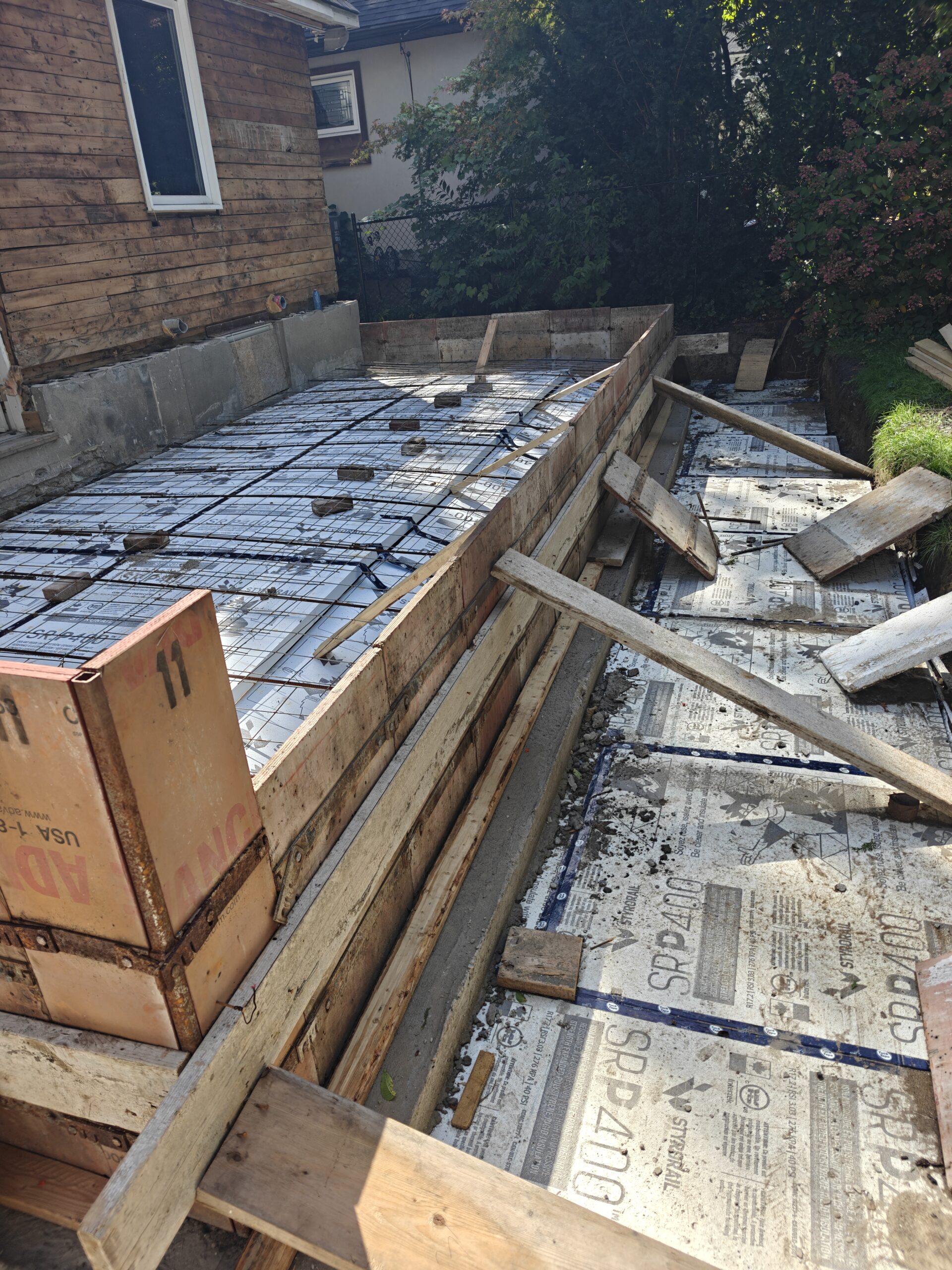
The home sits in Rideau Gardens, one of Ottawa’s most desirable, leafy neighbourhoods, threaded with centuries-old heritage trees between the Rideau River and the Rideau Canal. Our clients wanted to keep the soul of the home intact, so instead of tearing it down, we’re stripping it back to the structure, engineering in what it needs, and building a solid, high-performance dwelling that will last generations — a second floor, a rear addition, and a new layout that doubles the original footprint. Recycling at its best.
Getting to Net Zero Ready means the building envelope, airtightness, and mechanical systems all have to perform as one system, not as separate boxes to check. That’s the difference between a home that looks efficient on paper and one that actually is.
We’re working alongside Riaan Mirza of Homesol Building Solutions as energy advisor on this one, modelling and testing the home to make sure it hits the standard before it ever carries the label.
Our clients chose this path after touring our own home and feeling firsthand what it’s like to live in a high-performance dwelling. Over the next few months we’ll be sharing the build here — the wins, the problem-solving, and what it actually takes to turn a century home into a Net Zero Ready one.
Follow along if you’re a builder, trade, or homeowner curious about what’s under the finished surfaces of a high-performance home.
#NetZeroReady #CHBANetZero #BuildingScience #Decarbonization #RevisionBuilt